Setembro 14, 2026
Things to do in Vigo: must-see places and plans
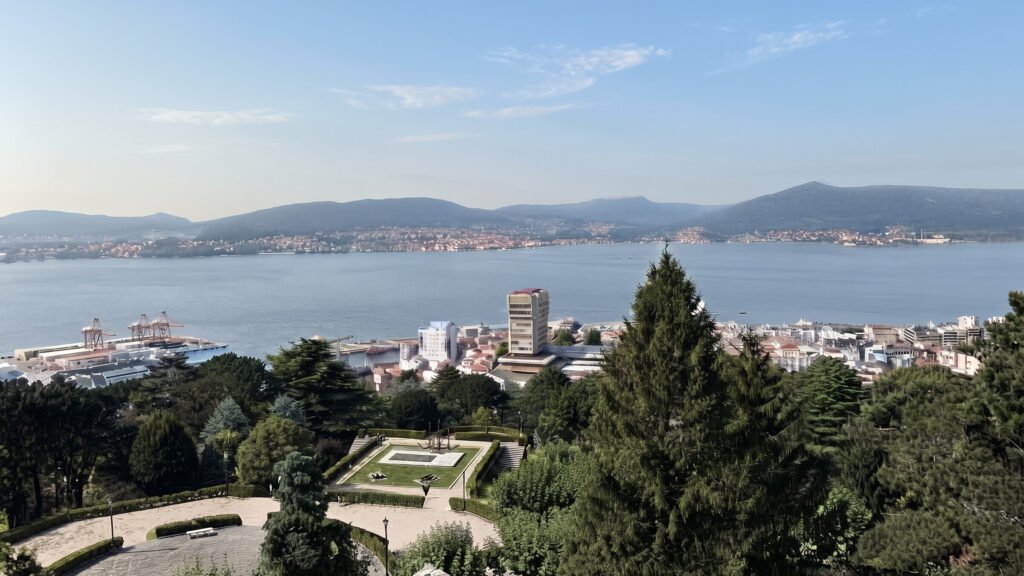
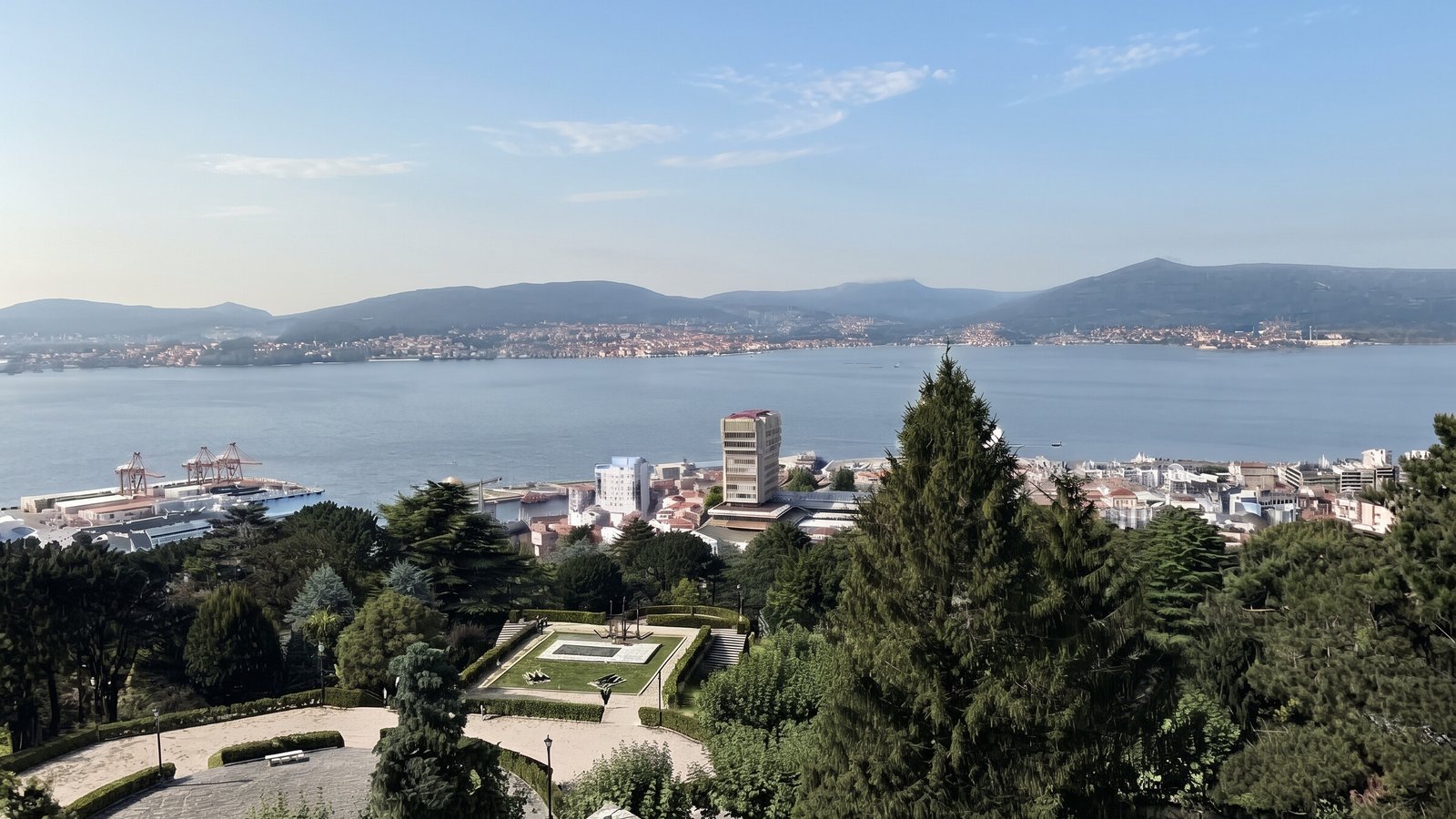
Vigo is one of those Galician cities where the old town, the sea and nature are only minutes apart, which makes it a perfect destination for a day or a longer stay. If you are wondering what to see in Vigo, the answer ranges from centuries-old streets with stone arcades to viewpoints overlooking the Cíes Islands, and fishing quarters with centuries of seafaring history. In short, the essentials of Vigo come down to five big blocks: the old town (Casco Vello), Monte O Castro as the main viewpoint, the waterfront and its beaches, the trip to the Cíes Islands and, if you travel in winter, its famous Christmas lights. Below you will find each of these places and plans in detail, so you can plan your visit in advance, whatever the length of your stay.
Vigo’s old town: what to see in the centre
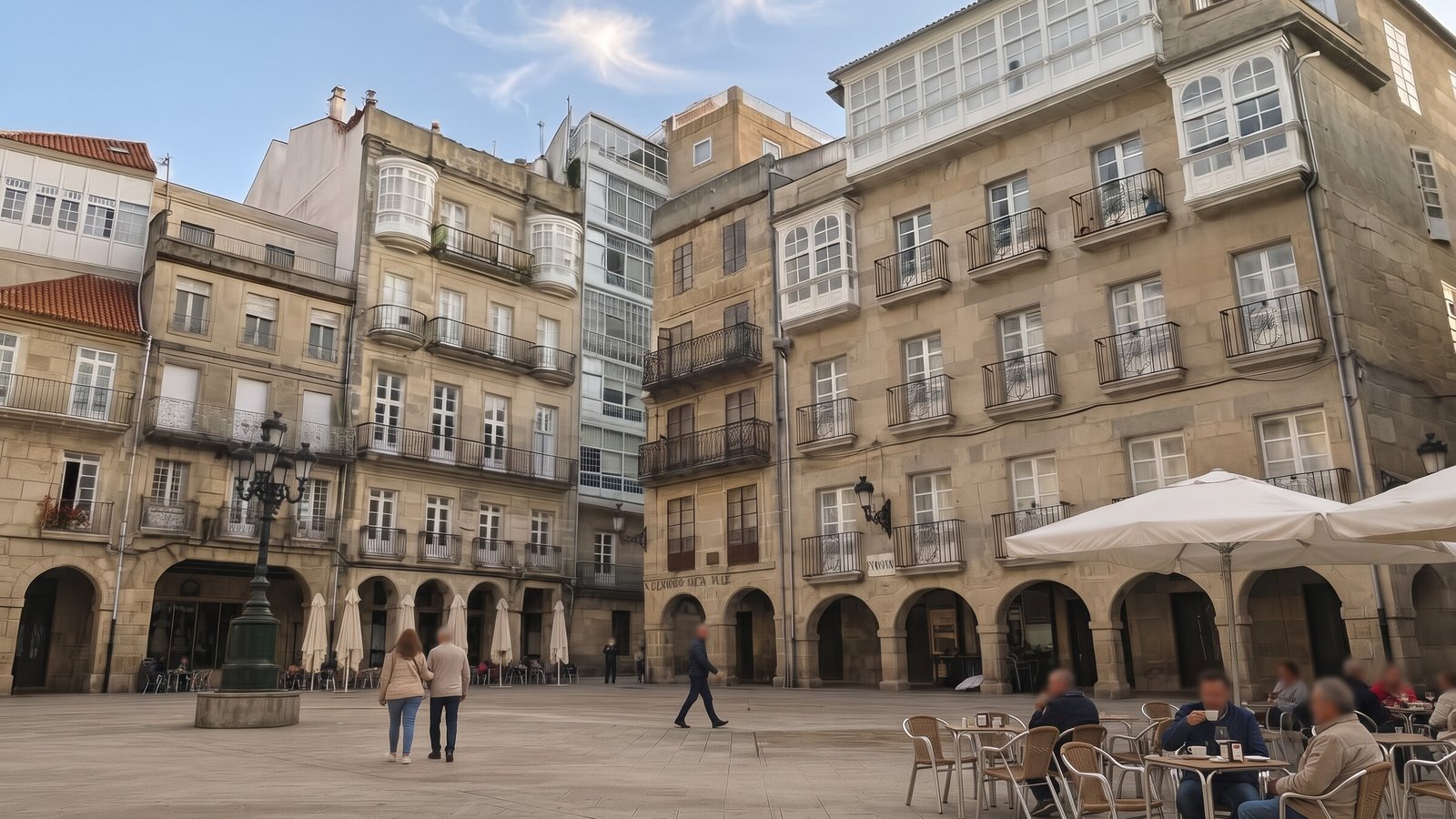
The Casco Vello is the obligatory starting point of any visit, and probably the place where you will want to wander the longest. Its cobbled streets, stone houses and arcades keep the layout and atmosphere of old Vigo, and this is where much of the city’s food and shopping life is concentrated. Exploring it on foot, stopping at every square and corner, is the best way to understand why Vigo’s historic centre is still its heart. If you can choose, early morning is the best time to see it quietly: at midday, especially at weekends and in summer, the terraces and main streets fill up and the atmosphere changes completely.
Plaza de la Constitución and the Co-Cathedral
The Plaza de la Constitución is one of the most representative spaces in the old town, surrounded by traditional buildings and arcades that invite you to sit down at a terrace. Very close by is the Co-Cathedral of Santa María, popularly known as the Colegiata, a neoclassical church that houses the image of the Cristo de la Victoria and recalls the Reconquest of Vigo from Napoleon’s troops, a key episode in the city’s history.
Rúa dos Cesteiros and Rúa da Pescadería
Rúa dos Cesteiros keeps alive the craft tradition of wickerwork, with baskets and traditional pieces still on show in some shops. A few metres away, Rúa da Pescadería, also known as Oyster Street, is a must for anyone who wants to try freshly opened oysters with a glass of Albariño wine; the oyster sellers open them on the spot at small street stalls, so the usual thing is to eat them standing up, straight from the basket. Nearby, the Porta do Sol and the O Sireno sculpture mark the natural transition between the old town and the modern Ensanche district.
Must-see viewpoints and parks in Vigo
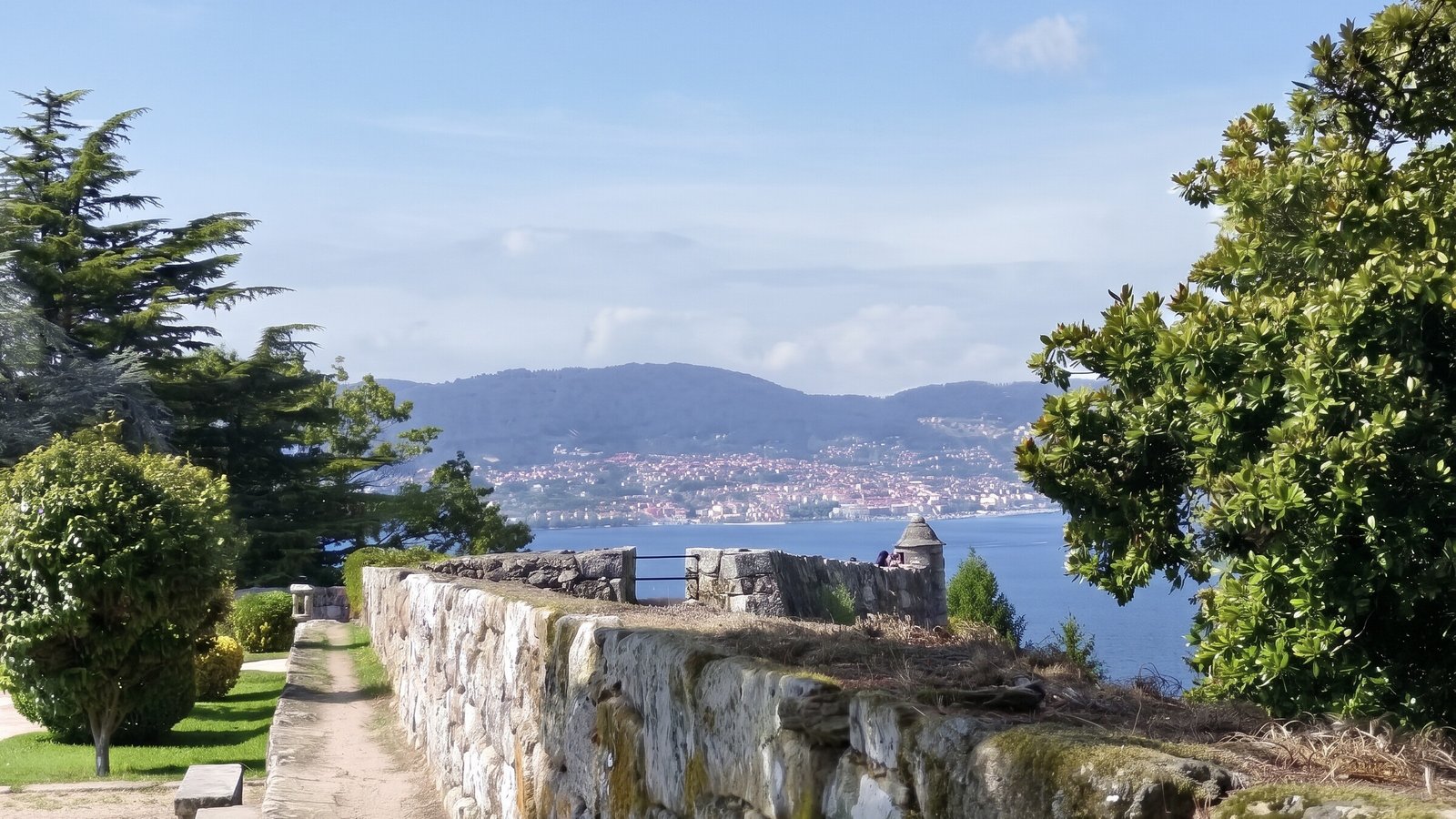
Monte O Castro is undoubtedly the most visited viewpoint in the city and one of the must-see places in Vigo to understand its geography at a glance. From its park, which combines the archaeological remains of an ancient hillfort, fortifications and wide green areas, you get full panoramic views over the estuary, the port and, on clear days, the Cíes Islands. The best view of the islands is usually from the highest part of the park, next to the fortifications, especially at sunset, when the light falls full on the estuary. It is also a place of historical weight, linked to the Battle of Rande, and a very pleasant spot for a relaxed walk among gardens.
Another charming spot is the Paseo de Alfonso XII, next to the well-known Olive Tree of Vigo, the symbol that gives the city its nickname, the Olive City. For a more stately setting, the Pazo Quiñones de León and Castrelos Park bring together historic gardens, collections of Galician art and wide open-air spaces, ideal for a quiet afternoon away from the bustle of the centre.
The sea and the fishing quarters
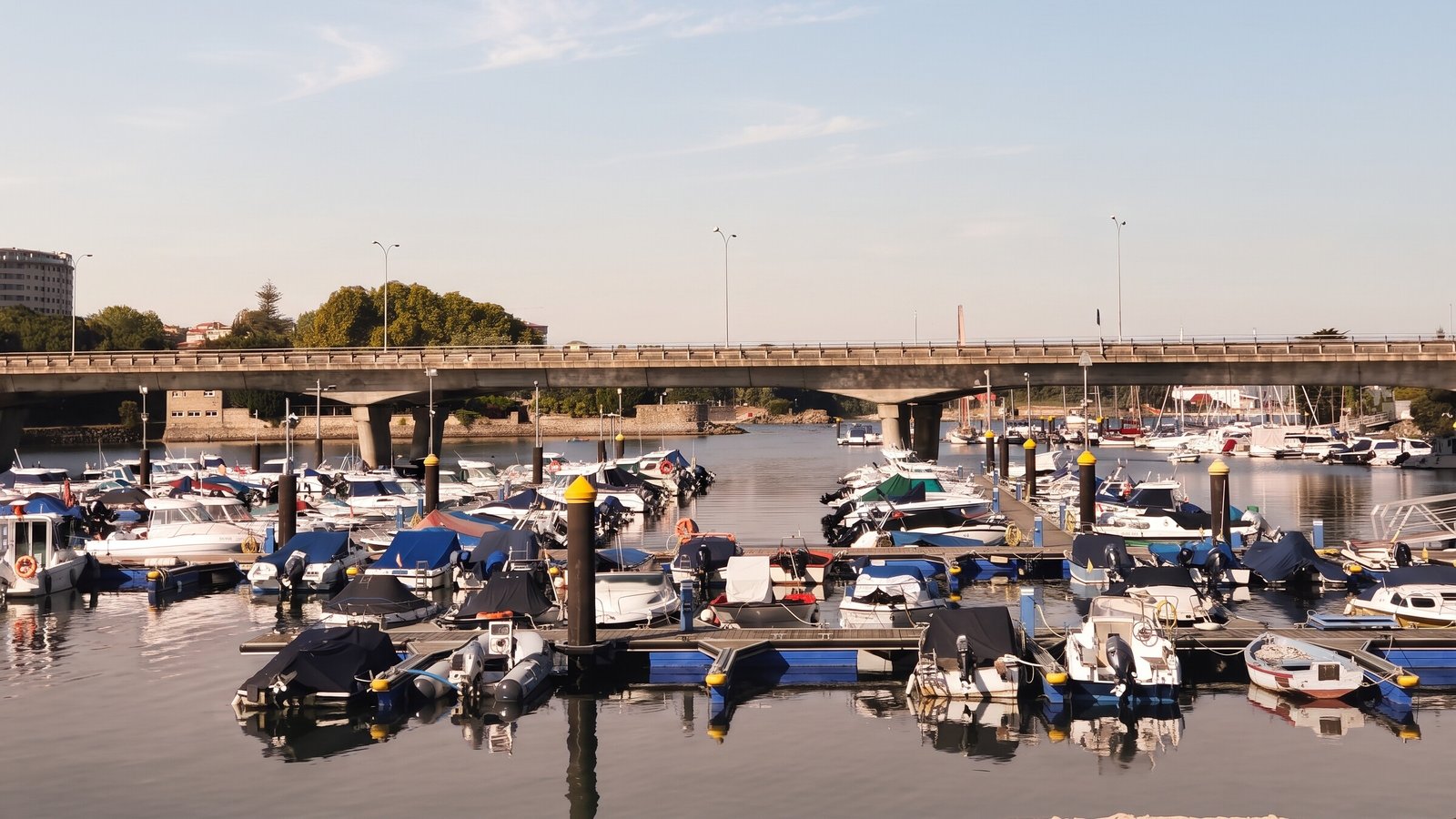
Bouzas keeps the identity of the old fishing village that was absorbed by Vigo’s growth, but it retains its own character through its streets, its market, its taverns and the church of San Miguel. Walking along its seafront, near the fishing and leisure port, shows how the sea still sets the rhythm of life in much of the city.
The port of Vigo is itself another great protagonist: the Beiramar avenue, its sculptures dedicated to the sea and to emigration, and the monument to Jules Verne are reminders of the huge historical and economic importance of maritime and fishing activity. Close by, the Museo do Mar de Galicia explores the canning industry, oceanographic research and marine life, with an aquarium and interactive spaces that are especially interesting if you travel with children.
Shopping and city life
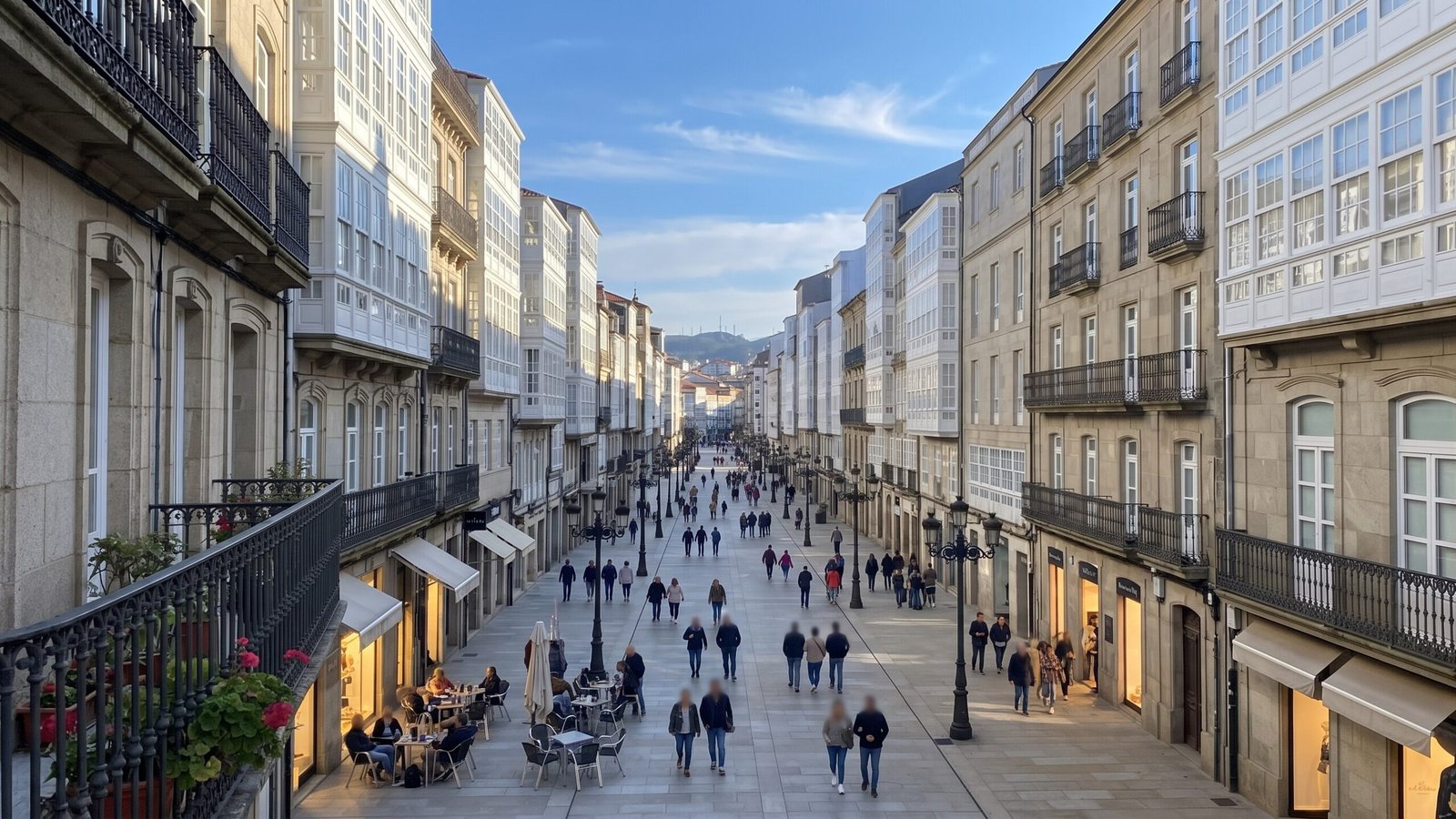
If you fancy combining culture with city life, Rúa do Príncipe is Vigo’s main shopping street and also home to the Museum of Contemporary Art, MARCO, an interesting stop for art lovers. Together with nearby Urzaiz street, it forms the liveliest shopping area in the city and is one of the most popular plans in Vigo to round off the afternoon, especially on weekdays, when it is less crowded than on Saturdays. The Halo lift, a contemporary piece of urban design, also makes it easy to move between this area and the elevated views over the port.
The Cíes Islands from Vigo: the must-do trip
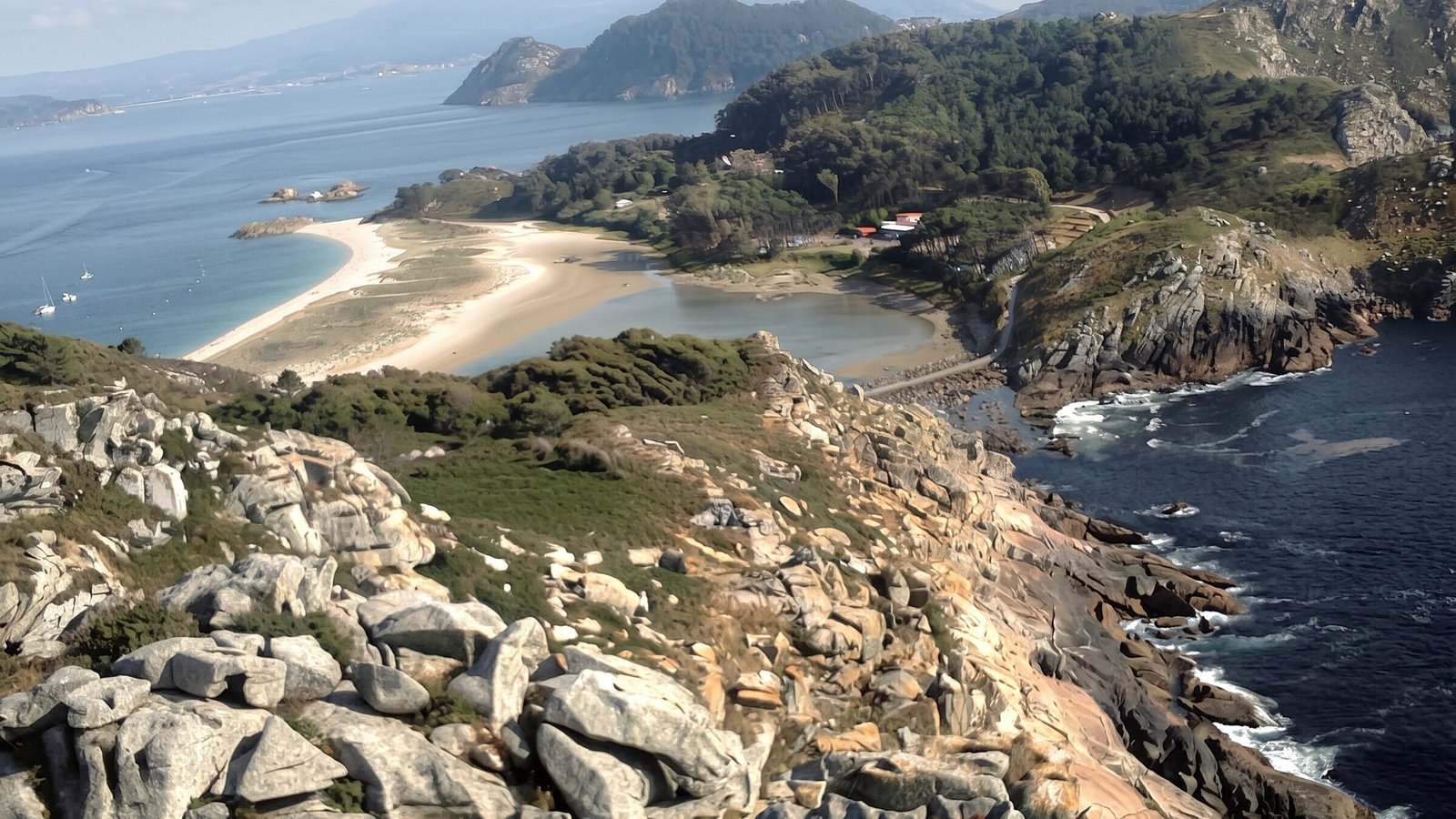
No list of things to do in Vigo would be complete without the Cíes Islands, probably the most sought-after trip from the city. They are part of the Atlantic Islands of Galicia Maritime-Terrestrial National Park and are famous for their crystal-clear beaches, their biodiversity and their hiking trails with spectacular views over the Atlantic. Getting to the Cíes Islands from Vigo is usually done by boat, and access is limited to a maximum number of visitors per day, so it is worth arranging the permit well in advance: in high season (July and August) places often sell out several weeks ahead, while in spring or autumn it is easier to find a spot at a few days’ notice.
If you are looking for an alternative with a similar feel, the island of Ons offers equally attractive beaches and trails, also reached by boat and also requiring a permit. Both options are ideal for a full day, especially if you are staying for more than one day and want to combine city sightseeing with nature and coast.
Vigo at Christmas: the most famous lights in Spain
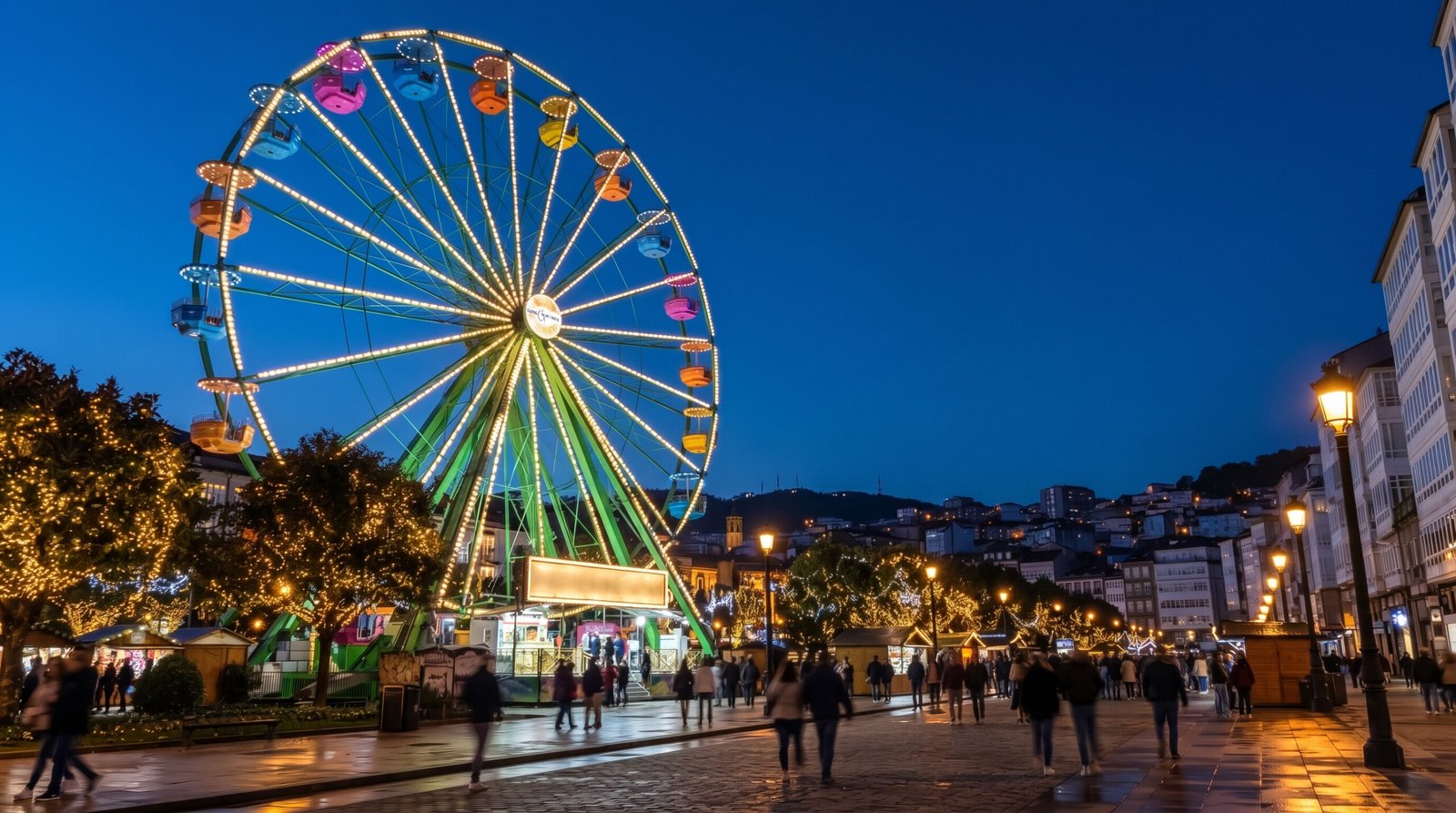
If your visit falls in winter, Vigo at Christmas deserves a special mention in any plan. The city’s Christmas lights have become hugely popular nationwide, to the point that many visitors plan their trip specifically to see them. The streets of the centre and the area around the Porta do Sol fill with light figures and tunnels that are usually switched on in late November and stay on until the Three Kings parade in early January, so anyone travelling in that window is practically guaranteed to enjoy the full display. Walking through the centre at night to see the lights is, in itself, one of the most recommended plans if you travel at that time of year.
Along with the lights, the city usually sets up a giant Christmas tree, Christmas markets and family activities such as ice rinks, which makes these weeks one of the best times to enjoy Vigo in a festive mood. Guided tours focused on the lights and themed boat trips around the estuary are also common during this season.
One day in Vigo: recommended itinerary
If you are looking for what to see in Vigo in one day, the most practical plan is to start the morning in the old town, taking your time around the Plaza de la Constitución, the Co-Cathedral and Rúa da Pescadería, before heading up to Monte O Castro to enjoy the views while the sun is high. In the late afternoon, Rúa do Príncipe and the Urzaiz area let you combine shopping with a visit to MARCO, and the day can end on the seafront, watching the sunset by the sea. With this route you can see the essentials of the historic centre on foot in a single day, leaving longer trips, such as Samil beach or the Cíes Islands, for a second visit if your stay allows.
Getting to Vigo from Mos
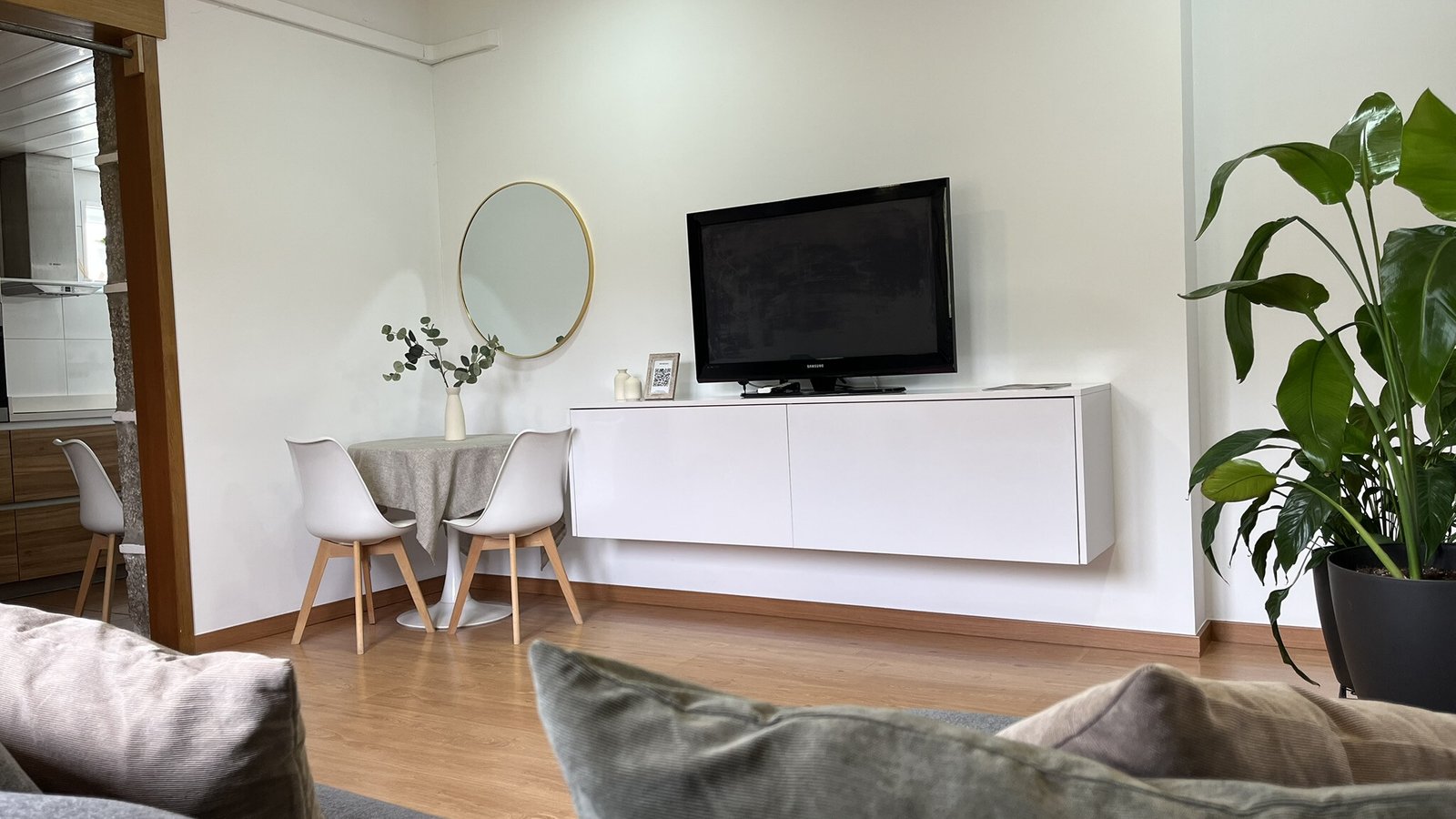
Casa Xoubiña is in Mos, very close to central Vigo, just a short drive away. This proximity makes the apartment a very practical base for visiting the city: you can move easily between Vigo and Mos, making the most of the day while enjoying the peace of staying outside the city centre.
Where to park and when to go
Parking in the old town can be tricky at weekends and during the Christmas season, as the pay-and-display zones in the centre fill up quickly and pedestrian streets limit access. The most practical option is usually to leave the car in one of the public car parks near the centre and continue on foot, especially if your plan includes the old town and the Príncipe area. As for the best time to visit Vigo, spring and early autumn offer a good balance between good weather and fewer crowds, summer is ideal if your plan includes beaches or the Cíes Islands, and winter is the season to choose if your main goal is to enjoy the Christmas lights.
With room for six guests and free parking included, Casa Xoubiña is a comfortable base for groups or families who want to explore both Vigo and the rest of the area without worrying about where to leave the car; you can find more plans in the area on our near Vigo page. And if you already have dates in mind, you can check availability and book your stay directly with us.
